
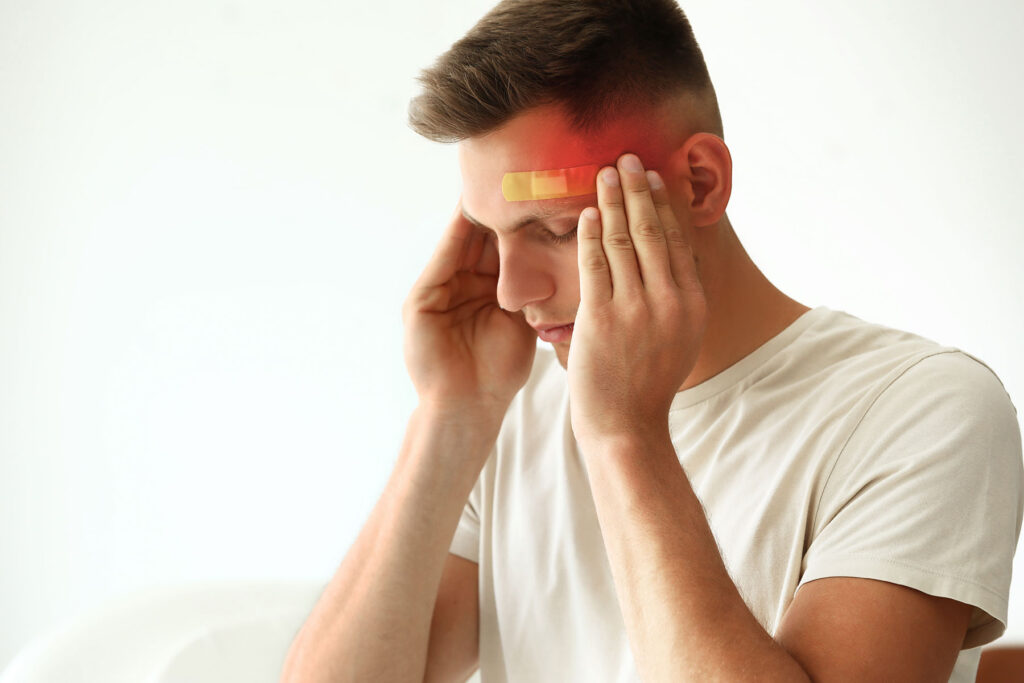
A concussion is often described as a mild brain injury, but anyone who has experienced one knows there is nothing mild about the impact it can have on thinking, emotions, and daily functioning. During recovery, the brain is in a vulnerable state. Choices that once felt routine, such as drinking alcohol, can suddenly carry new and unexpected risks.
Many people wonder, can you drink alcohol with a concussion, especially if alcohol has been a regular part of social life or stress management. Understanding how alcohol and the brain interact after injury can help protect long term health and support a more complete recovery.
The Critical Link: Why Alcohol and the Brain Don’t Mix After Injury
The brain is an incredibly complex and sensitive organ. After a concussion, communication between brain cells becomes temporarily disrupted. Healing requires stability, rest, and reduced strain. Alcohol introduces instability at a time when the brain is working to restore balance.
Even small amounts of alcohol can interfere with this process. Because alcohol affects neurotransmitters and blood flow, it can increase inflammation and slow the brain’s ability to repair itself. This creates a mismatch between what the brain needs and what it receives during recovery.
What Does Alcohol Do to Your Brain During Recovery?
When people ask what does alcohol do to your brain, the answer becomes even more important after a concussion. Alcohol slows neural activity, reduces oxygen delivery, and disrupts the delicate chemical balance that supports healing.
This can worsen common post concussion symptoms such as headaches, dizziness, memory problems, and difficulty concentrating. Alcohol also disrupts sleep, which is one of the most important elements in brain repair. Without deep and restorative sleep, the brain struggles to clear metabolic waste and rebuild damaged pathways.
Over time, repeated exposure to alcohol during recovery may increase the risk of persistent symptoms and longer healing periods. This does not mean recovery becomes impossible, but it may become more complicated and unpredictable.
Understanding the “Double Hit” Theory: Secondary Brain Injury
Medical professionals sometimes refer to the risk of secondary brain injury as a double hit. The first hit is the concussion itself. The second hit occurs when additional stressors such as alcohol, lack of sleep, or another injury place strain on a brain that has not yet healed.
This concept highlights why avoiding alcohol during recovery is not about restriction or punishment. Instead, it is about protecting the brain from additional harm while it is most vulnerable. Supporting recovery requires patience, self awareness, and the willingness to prioritize long term well being over short term comfort.
What Part of the Brain Does Alcohol Affect Most?
Alcohol affects multiple areas of the brain, but certain regions are especially sensitive after trauma. Understanding what part of the brain does alcohol affect can help explain why recovery and alcohol use do not align.
The prefrontal cortex, which governs decision making and emotional regulation, is often impacted by both concussion and alcohol. This overlap can lead to increased impulsivity, mood swings, and poor judgment. The cerebellum, responsible for balance and coordination, is also affected, which may increase the risk of falls and repeat injuries.
Frontal Lobe Sensitivity and Cognitive Function
The frontal lobe is critical for planning, attention, and self control. After a concussion, this area may already be working harder than usual. Alcohol further suppresses activity in this region, which can make thinking slower and decision making more difficult.
This can affect daily functioning, relationships, and recovery progress. Even if someone feels fine, subtle cognitive challenges may still be present. Alcohol may make these challenges more noticeable or delay improvement.
How Alcohol Brain Damage is Accelerated by Trauma
Long term heavy drinking can lead to alcohol brain damage, including memory loss and cognitive decline. When trauma is involved, this process may be accelerated. The injured brain may be less resilient and more vulnerable to the toxic effects of alcohol.
This does not mean that every person who drinks after a concussion will experience permanent damage. However, the combination of injury and alcohol increases risk. Choosing to avoid alcohol during recovery becomes an act of protection and self care rather than deprivation.
The Dangers of a Concussion with Alcohol
The interaction between concussion and alcohol can affect both physical and emotional recovery. This is why many healthcare providers strongly recommend abstaining during the healing period.
Alcohol may reduce awareness of symptoms, increase risk taking behavior, and interfere with medical monitoring. It can also make it harder to recognize when something more serious is developing.
Can You Drink Alcohol with a Concussion? The Medical Reality
From a medical perspective, the safest answer to can you drink alcohol with a concussion is no, at least during the early stages of recovery. The brain needs stability, hydration, and rest. Alcohol works against each of these goals.
Many people also notice increased sensitivity to alcohol after a concussion. Smaller amounts may cause stronger effects, including nausea, confusion, and fatigue. This heightened sensitivity reflects the brain’s temporary vulnerability.
How Alcohol Masks Life Threatening TBI Symptoms
One of the most serious risks is that alcohol can hide symptoms of a worsening injury. Changes in speech, coordination, or alertness may be attributed to intoxication rather than neurological decline.
This delay in recognizing serious complications can prevent timely medical care. In rare cases, this may lead to dangerous outcomes. Avoiding alcohol allows both individuals and caregivers to monitor symptoms more accurately and respond quickly if needed.
The Road to Recovery: Treatment for a Concussion
Recovery from concussion involves more than rest alone. It often includes gradual return to activity, symptom monitoring, and lifestyle adjustments. A comprehensive treatment for a concussion supports physical, cognitive, and emotional healing.
This may include medical evaluation and follow up, sleep support, stress reduction, nutrition, hydration, and cognitive rehabilitation when needed. Emotional and mental health care is also important because brain injury can affect mood and resilience.
Many people discover that recovery becomes an opportunity to reflect on habits and coping strategies. Some recognize that alcohol has played a role in stress management or emotional regulation. Addressing these patterns can strengthen overall health and long term resilience.
When is it Safe to Drink Alcohol After a Concussion?
A common question is when is it safe to drink alcohol after a concussion. The answer varies depending on the severity of the injury, individual health, and symptom resolution.
Most healthcare professionals recommend waiting until all symptoms have resolved and a medical provider has cleared the individual for full activity. Even then, a cautious and gradual approach is encouraged.
Listening to the body becomes essential. If alcohol triggers symptoms such as headaches, dizziness, or fatigue, it may be a sign that the brain is not fully recovered.
Recommended Timeline for Brain Healing and Sobriety
While there is no universal timeline, many people benefit from avoiding alcohol for several weeks or months. This period allows the brain to stabilize and rebuild neural connections.
For some, this temporary pause leads to lasting changes. They may notice improved clarity, mood, and sleep without alcohol. Others may realize that alcohol use has become difficult to control, especially during times of stress or emotional vulnerability.
Recovery, in this sense, is not only about healing from a concussion. It can also be about learning new ways to cope, finding healthier routines, and building a more supportive relationship with one’s body and mind.
Comprehensive Support for Alcohol Dependency at The Right Step Houston
Healing from a concussion and building a healthier relationship with alcohol often go hand in hand. For individuals who find it difficult to stop drinking even when they know it is affecting their health, support can make a meaningful difference.
At The Right Step Houston, the focus is not on judgment or pressure. Instead, care is centered on understanding the deeper reasons behind alcohol use and creating sustainable change. Recovery is viewed as a process of rebuilding trust with oneself, strengthening resilience, and developing new tools for coping with stress, trauma, and emotional challenges.
Through compassionate and evidence-informed support, individuals can explore both brain health and emotional well-being in a safe and supportive environment. Whether someone is recovering from a concussion, addressing long-standing alcohol use, or seeking greater balance, the goal is lasting wellness and a renewed sense of control.
If you or someone you love is navigating the connection between brain injury and alcohol use, reaching out for help can be the first step toward long-term healing and stability. Contact The Right Step Houston today to speak with a caring team member, learn more about your options, and begin moving toward recovery at your own pace.